
Modern management of Thoracic surgical patients demand a high standard of knowledge and skills,not only in adult and paediatric Thoracic surgery, but also in Respiratory Medicine, Anaesthesia and Intensive Care and many other specialties and need a multidisciplinary, conceptual approach. Therefore, a highly specialised and comprehensive training is required for the surgeons who select to practice in this specialty.
Subspecialty of Thoracic Surgery has established in national hospital for respiratory diseases at Welisara as a separate specialty in the field of Cardiothoracic surgery that deals with the diagnosis, evaluation and surgical management of congenital and acquired diseases of the lungs and chest in adults and children. Thoracic surgeons undertake surgical treatment of a wide range of pulmonary
conditions ranging from Primary spontaneous pneumothorax to Lung malignancies, and often these operations tend to be major procedures. managing these patients requires sound knowledge in both pulmonary medicine, cardiopulmonary physiology and Intensive care management to have better outcome.
Thoracic surgeons work closely with their colleagues in Respiratory Medicine, Anaesthesia and Intensive Care. They also have close professional relationships with other non-medical staff such as Physiotherapists, intensive care staff and operating department personnel. A Thoracic Surgeon is a specialised doctor who has obtained additional education and experience in the multidisciplinary approach to the diagnosis, treatment, and rehabilitation of Thoracic patients, and who devotes his or her professional practice to these activities and to research in Thoracic surgery.
The Specialty Board in Cardiothoracic and Thoracic Surgery (SBCTS) is the subspecialty board under the Board of Study in Surgery (BOS) which takes the responsibility in training and assessing Thoracic Surgical trainees.

The program is designed to provide training that would equip the trainees to surgically treat various types of congenital and acquired Thoracic diseases through a multidisciplinary approach. It is expected that the fully trained specialist would be up to date with all recent developments in the field of thoracic surgery and would be able to provide holistic care for those patients who need the expertise of a specialist Thoracic surgeon to minimise mortality and morbidity of such patients. The curriculum that has been planned and elucidated later in this document has incorporated a multitude of training activities that need to be undertaken over the full period of training.
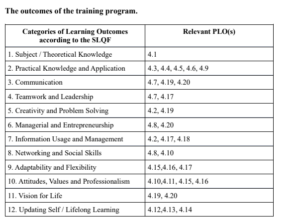
This post MD training program is intended to produce a Specialist Thoracic Surgeon capable of
fulfilling the following roles:
• Specialist Clinician in Thoracic Surgery / Safe Surgeon
• Educator / Trainer / Teacher
• Effective Communicator
• Collaborator
• Administrator / Leader and Manager
• Health Advocate
• Scholar
• Role model for Professionalism
• Team Member and a Team Leader

The candidate should have fulfilled the following criteria to be eligible to enter the training program in Thoracic Surgery.
• Passed the MD Surgery examination.
2.2 Selection process
Trainees who have fulfilled the entry criteria may apply for training in Thoracic Surgery. The order of merit in the MD (Surgery) examination and the availability of training positions will be the criteria taken into consideration when selecting eligible candidates for training
Please refer to the relevant prospectus for the most up to date information. The prospectus of a particular programme contains official information pertaining to a programme approved by the Board of Management, University Senate and the University Grants Commission